Today, I want to talk about UN3481 labels. These labels are essential when it comes to shipping and handling lithium batteries safely. Lithium batteries are widely used in various electronic devices, and it is crucial to handle them with care due to their potential safety risks. UN3481 labels provide important information and warnings to ensure the safe transportation of these batteries.
Label Design
The UN3481 labels have a specific design that includes important details and symbols. The labels usually have a rectangular shape, and they feature the UN number “3481” prominently. This number indicates the type of battery being shipped. Additionally, the labels may include other symbols like a battery icon with an exclamation mark, indicating the potential danger associated with these batteries.
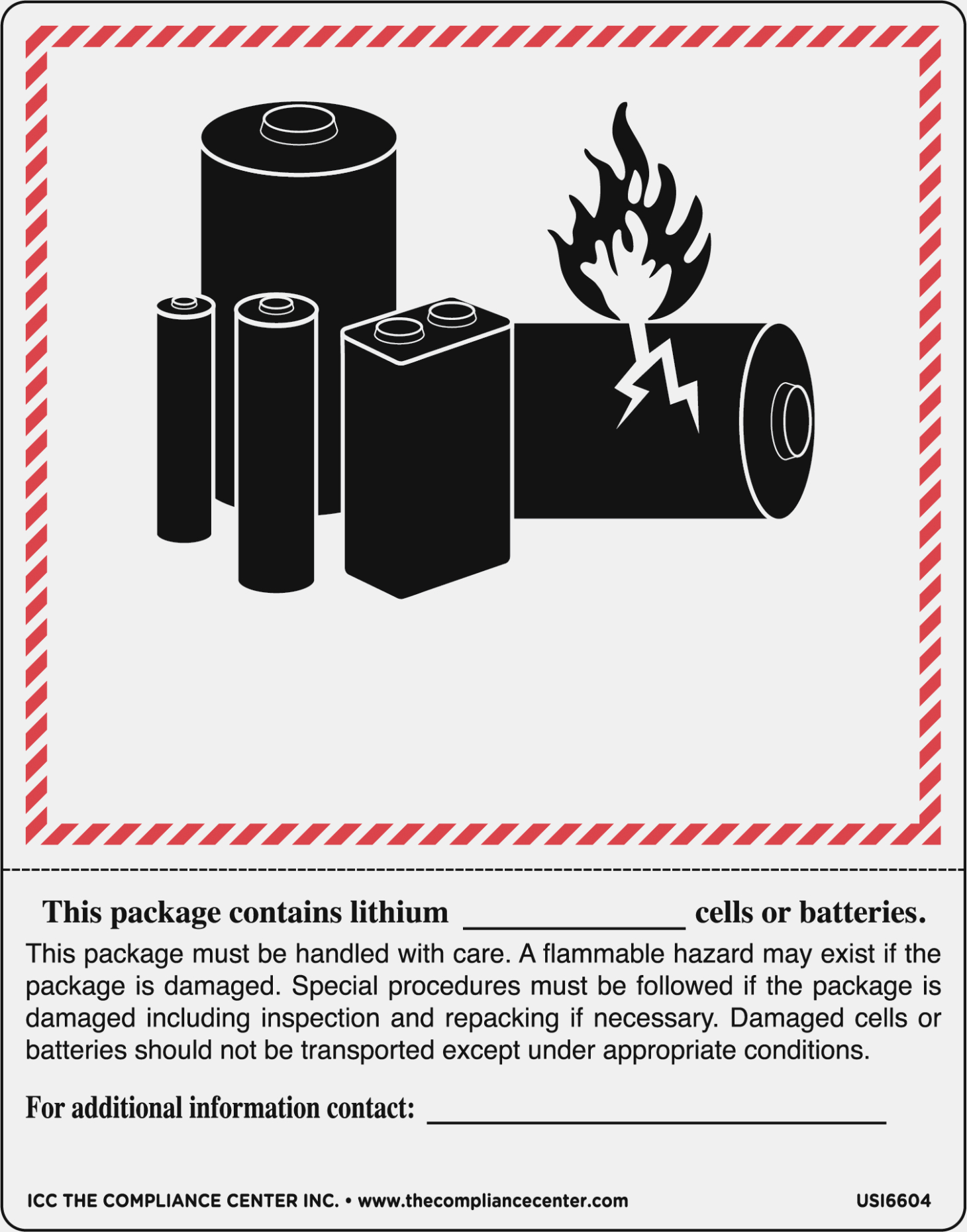 Image source: FreePrintableTM.com
Importance of UN3481 Labels
UN3481 labels are crucial for several reasons. First and foremost, they provide a clear indication that the package contains lithium batteries. This information is important for shipping companies, handlers, and other personnel involved in the transportation process. By having an easily identifiable label, individuals can take the necessary precautions to ensure the safe handling and storage of these batteries.
Furthermore, the labels also convey important safety information regarding the handling and transportation of lithium batteries. This includes warnings about potential hazards and recommended safety measures. The labels serve as a visual reminder to handle these batteries with care and to follow the required safety guidelines.
Compliance with Regulations
Using UN3481 labels is not just a recommendation but a requirement in many countries. International regulations, such as those set by the International Air Transport Association (IATA) and the International Civil Aviation Organization (ICAO), mandate the use of specific labeling for lithium batteries during transportation. These regulations aim to ensure the safety of those involved in handling and transporting these batteries, as well as the integrity of the cargo.
Therefore, it is essential for companies and individuals involved in shipping lithium batteries to comply with these regulations by properly labeling their packages with UN3481 labels. Non-compliance can result in delays, fines, or even the refusal to transport the batteries.
 Image source: Printable Calendar
Safe Handling Practices
Properly labeling the packages with UN3481 labels is just one aspect of ensuring the safe handling of lithium batteries during transportation. It is equally important to follow other safety practices to prevent accidents and minimize the risks associated with these batteries.
Firstly, it is crucial to package the batteries correctly. This involves placing them in sturdy, non-conductive containers that protect them from physical damage and short-circuiting. Additionally, the batteries should be packed in a way that prevents them from shifting or coming into contact with other conductive materials.
Secondly, it is important to provide adequate training to personnel involved in handling lithium batteries. This includes educating them about the hazards associated with these batteries, as well as the proper procedures for storing, handling, and transporting them.
 Image source: Printable Templates
Conclusion
In conclusion, UN3481 labels play a vital role in the safe transportation of lithium batteries. They provide important information and warnings to ensure that these batteries are handled and transported in a secure manner. Compliance with international regulations and following safe handling practices are essential to minimize the risks associated with these batteries. By using UN3481 labels and adhering to the necessary safety procedures, companies and individuals can contribute to a safer and more efficient transportation process for lithium batteries.
Remember, always prioritize safety when dealing with lithium batteries, and make sure to follow the guidelines and regulations set forth by the relevant authorities.
