Respect is a fundamental value that is essential in our daily interactions. It is the cornerstone of building strong and harmonious relationships with others. Whether it is in our personal lives or within a community, respect plays a crucial role in fostering understanding, empathy, and unity.
Respecting Others
 Teaching children about respect is paramount to shaping their character and helping them become responsible and compassionate individuals. Printable worksheets and activities on respect can be valuable tools in instilling these important values. These worksheets provide engaging exercises that encourage children to reflect on the significance of respect in their interactions and relationships.
Fostering Respectful Behavior
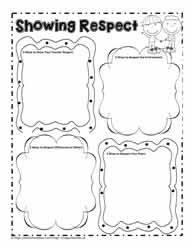 Respect is not just limited to how we treat others but also extends to the various environments we find ourselves in. By utilizing resources such as respect worksheets, children can learn how to navigate social situations and develop responsible behavior that promotes respect. Learning activities like these are designed to equip children with valuable skills for effective communication and conflict resolution.
Reading and Understanding
 Literacy is intertwined with understanding and respecting others. Printable resources like free respect worksheets aid in developing reading comprehension skills and provide opportunities for children to learn about different aspects of respect. These resources introduce youngsters to stories and scenarios that highlight the importance of respect, encouraging them to think critically and empathetically.
Emotional Literacy
 Teaching emotional literacy is crucial in helping children develop self-awareness and empathy towards others. Emotional intelligence encompasses understanding and managing emotions, which directly influences respectful behavior. By focusing on emotional literacy, educators can empower children with the necessary tools to navigate social situations harmoniously and cultivate a culture of respect.
Practical Exercises
 Respect should not be seen as an abstract concept but rather as a practical value that can be actively applied in various contexts. Engaging activities and worksheets in schools and at home provide children with a platform to apply and internalize respectful behavior. By integrating respect into the curriculum, students can actively practice respect, strengthening their understanding and embodiment of this core value.
Developing Empathy
 Empathy, the ability to understand and share the feelings of others, is closely linked to respect. Through respect activities and lessons, children can develop empathy by putting themselves in others’ shoes, considering different perspectives, and appreciating the value of diversity. These activities foster a culture of respect, acceptance, and inclusivity.
Back to School Printable Activities
 The beginning of the school year is an opportune time to introduce and reinforce the importance of respect. Back to school printable activities provide educators with engaging resources that can be integrated into lesson plans. These activities offer creative exercises where children learn about respect, reinforce positive behaviors, and create a positive classroom environment.
A Comprehensive Approach
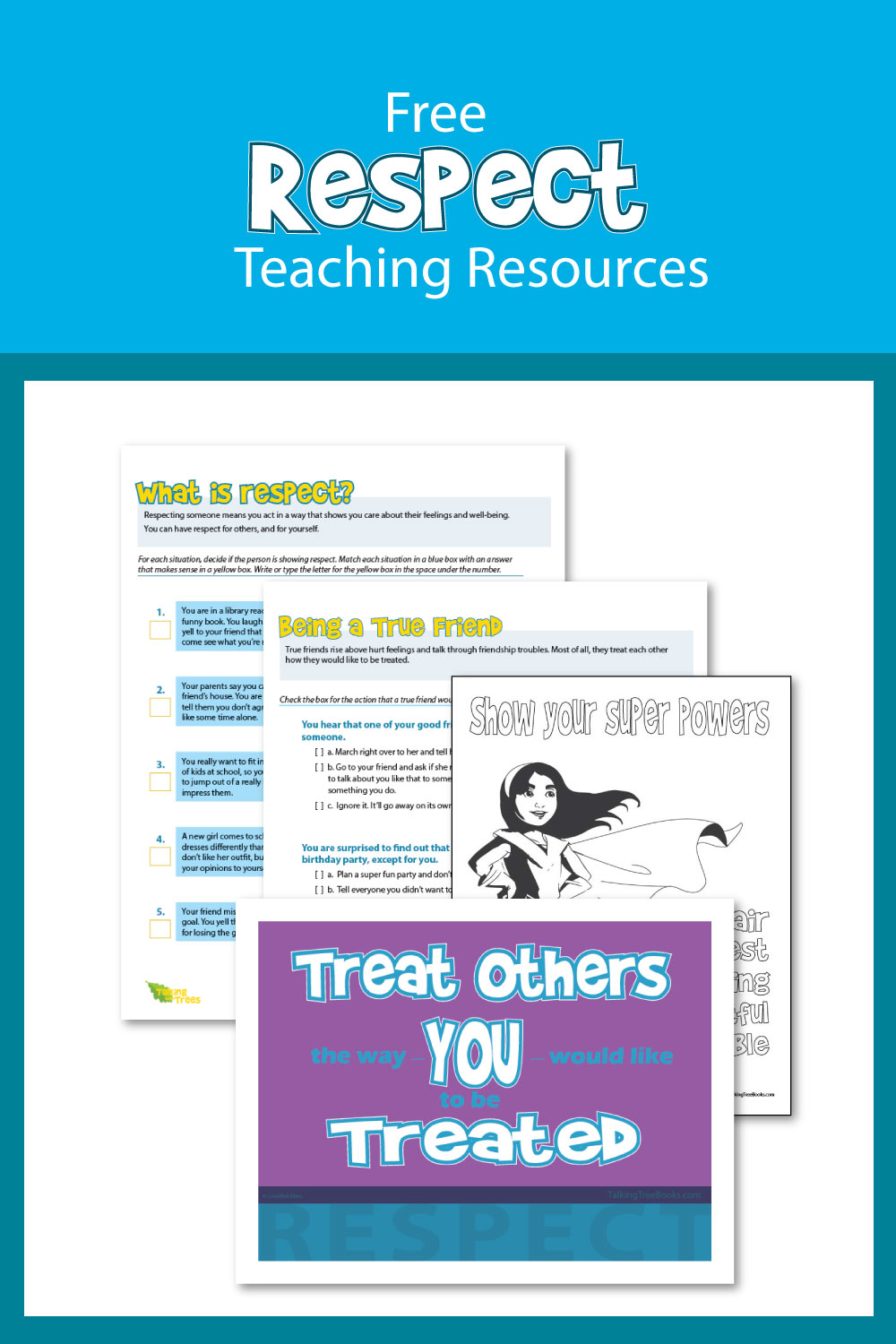 Respect should be approached holistically, considering all aspects of a child’s development. Comprehensive resources, such as respect worksheets and teaching materials, provide a multi-faceted approach to instill respect. These valuable tools incorporate diverse perspectives, encourage critical thinking, and help children develop a deep understanding of respect in their lives.
In conclusion, fostering respect is a vital undertaking for both children and adults. Teaching the value of respect through various practical exercises, reading materials, and engaging activities allows children to develop empathy, understand diverse perspectives, and build strong relationships based on mutual respect. By emphasizing respect in our educational settings and personal lives, we contribute to creating a society that embraces harmony, equality, and understanding.
