A high oxalate diet can have negative health effects for some individuals, so it is important to understand which foods are high in oxalates and which foods are low. Oxalates are compounds found in many common foods, and they can contribute to the formation of kidney stones in some people. By being aware of the oxalate content in different foods, individuals can make informed choices about their diet and potentially reduce the risk of developing kidney stones.
High Oxalate Foods
 Some examples of high oxalate foods include spinach, rhubarb, beets, Swiss chard, and certain types of nuts and seeds. These foods contain significant amounts of oxalates, and individuals who are prone to kidney stones may want to limit their consumption of these items.
Low Oxalate Foods

Managing Oxalate Intake
 It is important to note that each individual’s tolerance to oxalates may vary. While some people may need to strictly limit their intake of high oxalate foods, others may be able to tolerate them in moderation. For those who are concerned about their oxalate intake, consulting with a healthcare professional or registered dietitian is recommended.
Printable Resources
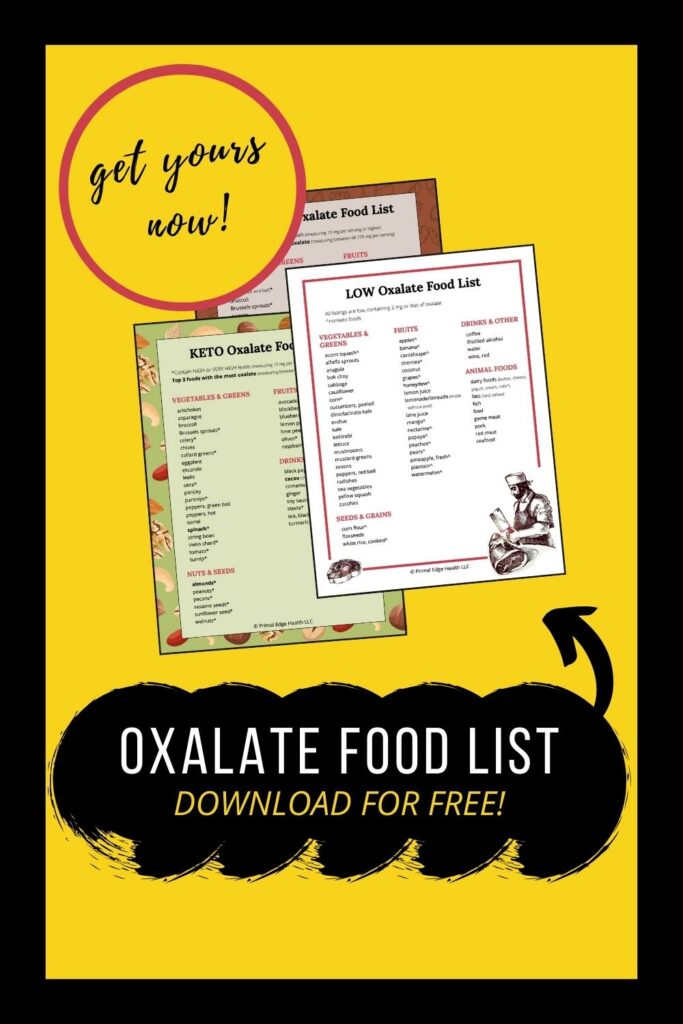
 For individuals who would like a visual reference of high and low oxalate foods, printable charts are available. These charts categorize foods based on their oxalate content and can be a helpful tool for meal planning and grocery shopping.
Conclusion
 Being aware of the oxalate content in different foods can be especially important for individuals who are prone to developing kidney stones. By incorporating more low oxalate foods into their diet and potentially limiting high oxalate foods, individuals can take proactive steps towards reducing their risk of developing kidney stones. It is recommended to consult with a healthcare professional or registered dietitian for personalized guidance on managing oxalate intake.
Remember, everyone’s dietary needs and tolerances are unique, so it’s important to listen to your body and make informed choices based on your individual health goals and concerns. By being mindful of your oxalate intake and considering the foods you consume, you can make positive changes to support your overall health and well-being.
If you would like more detailed information about the oxalate content in specific foods, printable food charts are available to serve as a handy reference. These charts can help you easily identify which foods are high in oxalates and which are low, allowing you to make educated choices about the foods you consume.
