A restraining order is a legal document that prohibits someone from contacting or approaching another person. It is typically used in situations where one person feels threatened or harassed by another individual. While restraining orders are serious legal documents that serve an important purpose, there are instances where people use them as jokes or pranks, creating fake restraining order templates.
Why would someone create a fake restraining order?
Creating a fake restraining order may seem harmless to some, but it can have serious consequences. People may create fake restraining order templates for various reasons, including:
- Pranks: Some individuals use fake restraining orders as a pranking tool. They may want to scare or trick someone by making them believe that they are being legally restricted from approaching or contacting them.
- Humor: In certain social circles, fake restraining orders might be seen as humorous or a form of satire. However, it is important to note that humor can be subjective, and what may seem funny to one person can be offensive or distressing to another.
- Attention-seeking: Creating a fake restraining order can be a way for someone to attract attention or gain a reaction from others. It may be used to elicit sympathy or curiosity from friends, family, or online followers.
- Escalation of conflicts: In some cases, individuals may use fake restraining orders to exacerbate existing conflicts or tensions between them and others. This manipulation tactic can further strain relationships and cause emotional distress.
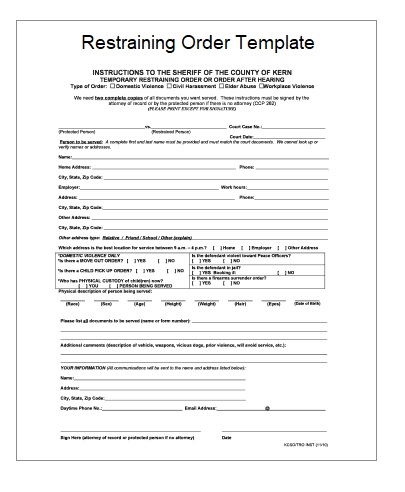 It is crucial to recognize that creating and using fake restraining orders is not only inconsiderate and potentially hurtful, but it can also have legal consequences. Misusing legal documents can lead to charges such as fraud, harassment, or defamation.
The impact of fake restraining orders on individuals
Fake restraining orders can have a significant impact on individuals who are involved. The effects can vary depending on the context and the relationship between the parties. Some potential impacts may include:
- Emotional distress: Receiving or being confronted with a fake restraining order can cause emotional distress, anxiety, and fear. The affected person may feel violated, threatened, or humiliated.
- Strained relationships: Fake restraining orders can damage trust and strain relationships. The person who falls victim to the prank may feel betrayed or betrayed by the person who created the fake document.
- Legal complications: Misusing legal documents can result in legal repercussions for both the person who created the fake restraining order and the person who falsely believes they are subject to its restrictions. These complications can include lawsuits, fines, or even criminal charges.
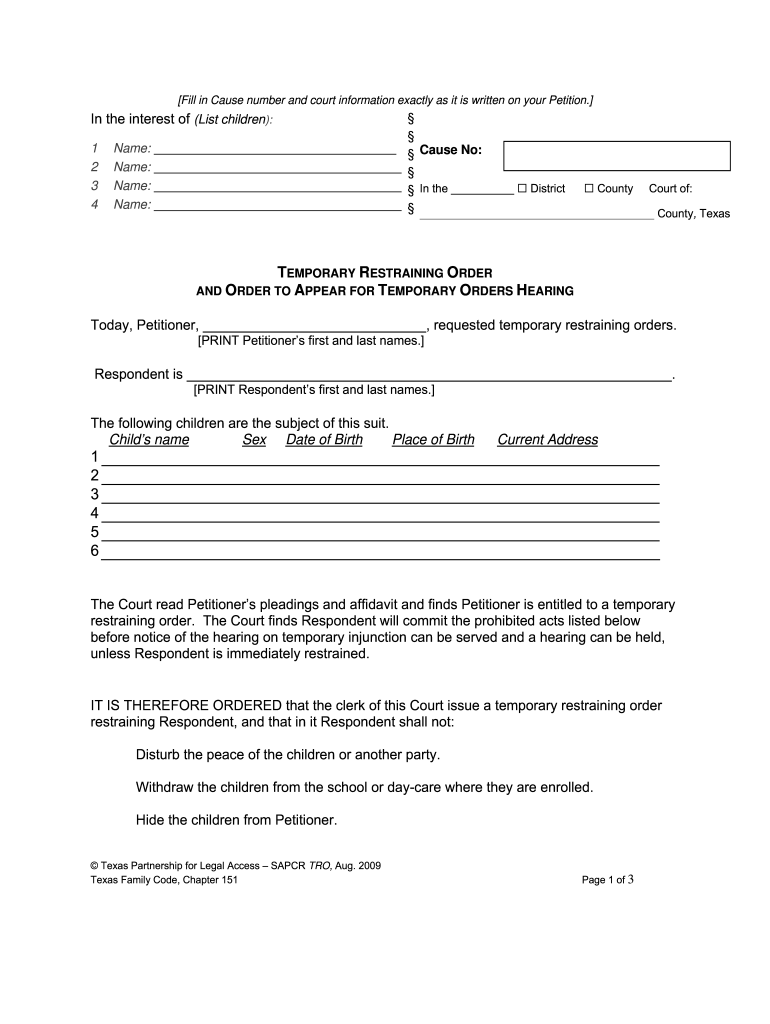 In conclusion, while fake restraining order templates may be created for pranks or humor, it is important to consider the potential consequences they can have on individuals involved. Using legal documents as jokes or manipulating others through false legal claims is not only insensitive but also unlawful. It is crucial to treat legal matters with the seriousness and respect they deserve.
