In the world of vision and eye health, one key tool that is used by eye care professionals is the Snellen eye chart. This chart, named after the Dutch ophthalmologist Herman Snellen, is a popular way to measure visual acuity. It consists of various letters that decrease in size as you move down the chart. The smaller the letters that a person can read, the better their visual acuity is considered.
Eye Chart Printable
One of the convenient aspects of the Snellen eye chart is that it can be easily printed out for use at home or in a clinic. You can find printable versions of this chart online, allowing you to monitor your own visual acuity or check the vision of your loved ones. These printable charts typically come in a standard format, with the larger letters at the top and the smaller ones as you scroll down.
 It is important to note that while the Snellen eye chart can provide a general indication of someone’s visual acuity, it does not substitute a comprehensive eye exam performed by a qualified eye care professional. This chart is just one tool among many that eye doctors use to assess and diagnose visual conditions.
How to Use the Snellen Eye Chart
Using the Snellen eye chart is quite simple. To begin, make sure you are standing or sitting at a distance of 10 feet from the chart. Cover one eye and start reading the letters from the top row. Note the line where you can no longer accurately discern the letters and record the corresponding visual acuity score (e.g., 20/20, 20/40, etc.). Repeat the process with the other eye, and then with both eyes open.
 One question that may come to mind is whether you can trust the accuracy of a self-administered eye test. While it can give you a rough idea of your visual acuity, it is always recommended to consult with an eye care professional for a comprehensive eye examination. There are other visual factors, such as astigmatism and near or farsightedness, that can only be properly diagnosed by an eye doctor.
Other Uses of the Snellen Chart
In addition to measuring visual acuity, the Snellen eye chart can also be utilized for other purposes. For instance, it can help determine the level of improvement after refractive surgery or the fitting of prescription glasses or contact lenses. Additionally, it can be used as a screening tool in school vision tests, allowing teachers or school nurses to identify potential vision issues in children.
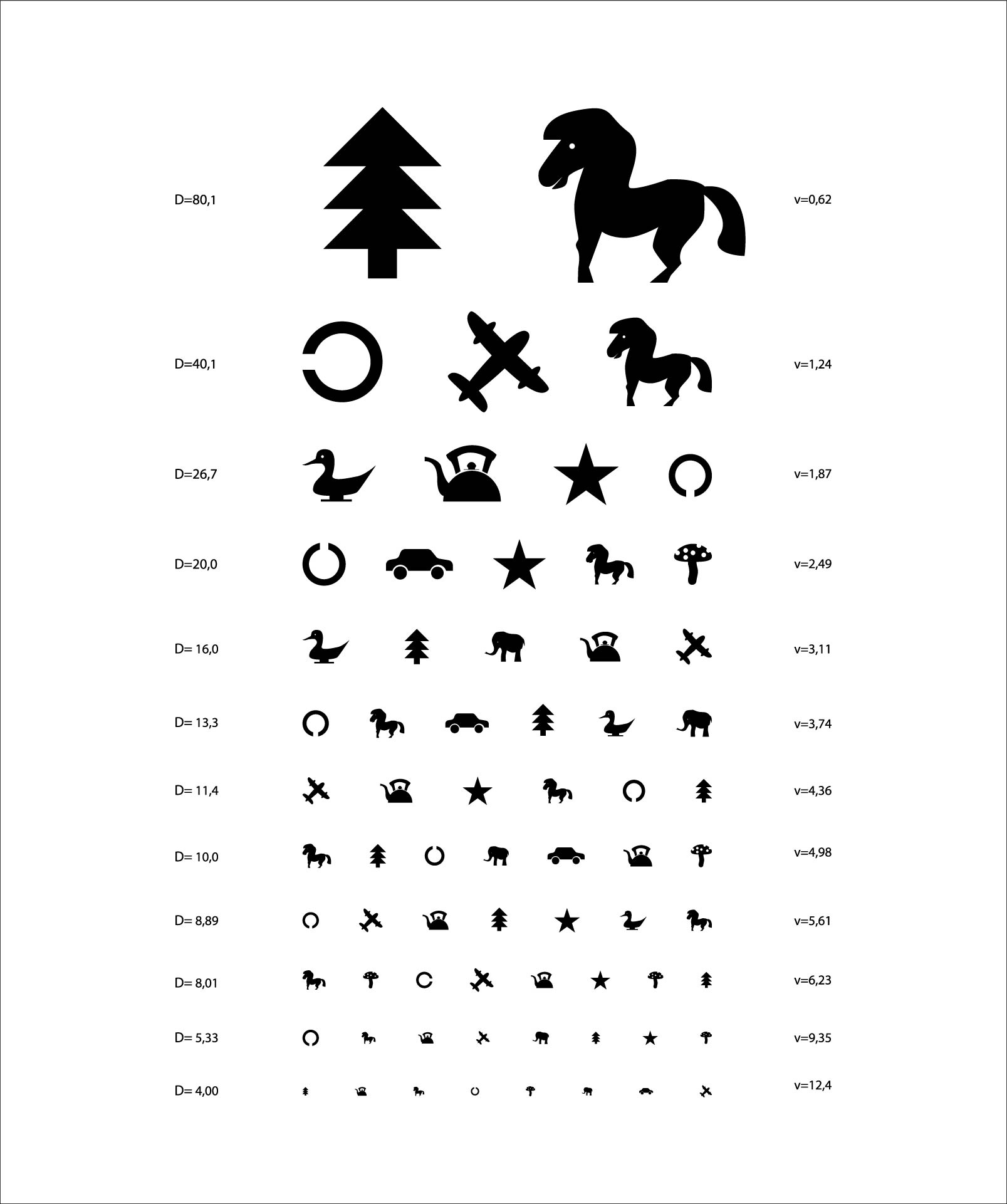 Having a printable version of the Snellen eye chart can be incredibly helpful, as it allows you to regularly monitor your visual acuity from the comfort of your own home. If you notice any significant changes or decline in your vision, it is crucial to consult with an eye care professional as soon as possible.
Conclusion
The Snellen eye chart is a widely recognized tool used to measure visual acuity. It can be easily printed out for use at home or in clinics. While it is a useful tool, it is essential to remember that it should not replace a comprehensive eye examination conducted by an eye care professional. Regular eye exams are crucial for maintaining good eye health and detecting any potential issues at an early stage.
 So, next time you come across a Snellen eye chart, whether it be at the eye doctor’s office or a printable version online, you can appreciate the value it holds in assessing visual acuity. Remember to prioritize your eye health and schedule regular eye exams to ensure your vision remains clear and healthy.
